
The Ultimate Guide On How to Travel For a Year – Backpacking or Flashpacking!
Discover how to travel for a year with my top tips on choosing destinations, budgeting, packing smart, and staying safe – everything you need for an unforgettable adventure!
Travelling the world was once just a dream for many, but today, it is more accessible than ever. With cheap flight options, an increasing number of accessible destinations, and a growing desire for exploration, longterm travel has become a global trend. From school leavers taking a gap year to career changers seeking a break or retirees embracing their freedom, more people are deciding to travel for a year and turning their travel dreams into reality.
I’m one of those people! I spent three months exploring Southeast Asia before spending a year travelling Australia on my working holiday visa, exploring all the states and territories. My last backpacking adventure took me through Australia’s east coast, New Zealand and Japan. I’ve been on three different backpacking trips, and honestly, they’ve been the best travel experiences of my life – I can’t recommend them enough!

I truly believe everyone should experience backpacking, or flashpacking if your budget allows, at least once. You don’t have to travel for a year, my first trip was to Thailand for three months, so if you wish to travel for three or six months instead, my guide will help you plan a trip of a lifetime! I’ve compiled a list of top things you need to know before you go, with top tips that I’ve learned along the way.
1. Choosing the Right Location
First and foremost, you need to decide where you want to go. With so many incredible bucket list destinations to choose from, narrowing it down can be the hardest part! Consider visiting new places that align with your interests, whether it’s adventure, culture, or relaxation.
Choose locations where you can experience different things, like unique landscapes, cultural experiences, and outdoor activities. Gap year students often choose destinations that offer a mix of work opportunities, cultural immersion, and affordable travel options.
To make things easier, I’ve put together a list of travel options, with the best time of year to go to each destination or region below. Whether you’re looking for to travel for a month, or planning an epic six – twelve month world trip visiting many countries, there’s advice below for everyone, regardless of your experience or travel style.
Southeast Asia
South East Asia is a good choice if it’s your first backpacking trip, as it’s easy to navigate, with loads of other travellers around, and it’s also good value for money!
Travel the Banana Pancake Trail & other popular stops
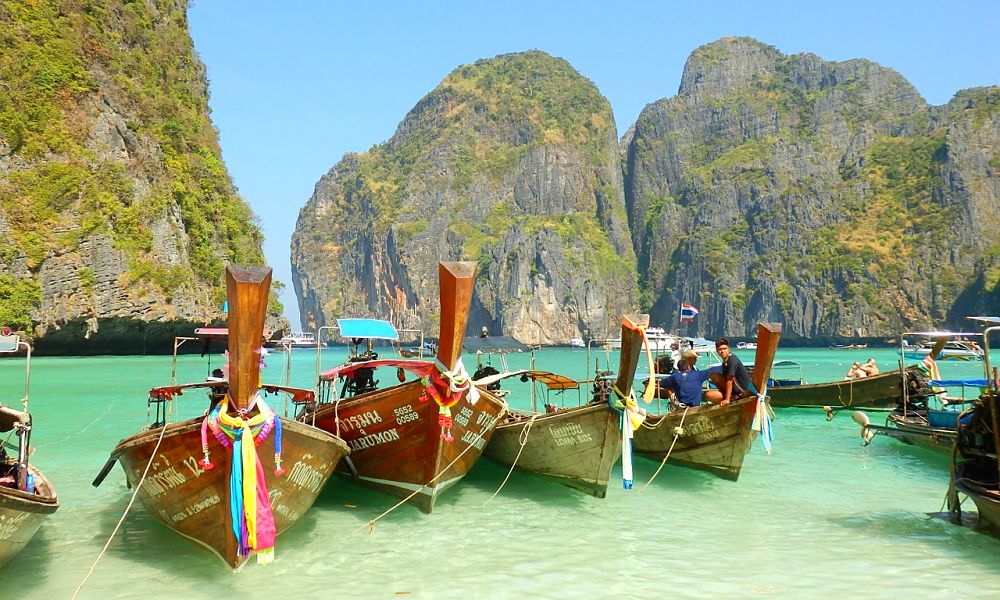
Thailand, Laos, Cambodia, Vietnam, Malaysia, Singapore
Discover Thailand’s stunning beaches, including the world-renowned Maya Bay, explore the historic Cu Chi Tunnels in Vietnam, visit the magnificent Angkor Wat, and enjoy the breathtaking Gardens by the Bay light show in Singapore.
Best time to travel this region: November to April
Time needed: 2-4 months
Read : Guide to Choosing The Best Thai Islands
Top spots not to miss in South East Asia
- Koh Phi Phi, Koh Tao, Thailand for the best beaches and island hopping.
- Hoi An, Vietnam for old town traditional culture.
- Siem Reap, Cambodia for historical temples.
- Vang Vieng, Laos for viewpoints, lagoons and cheap hot air balloon rides.
Indonesia
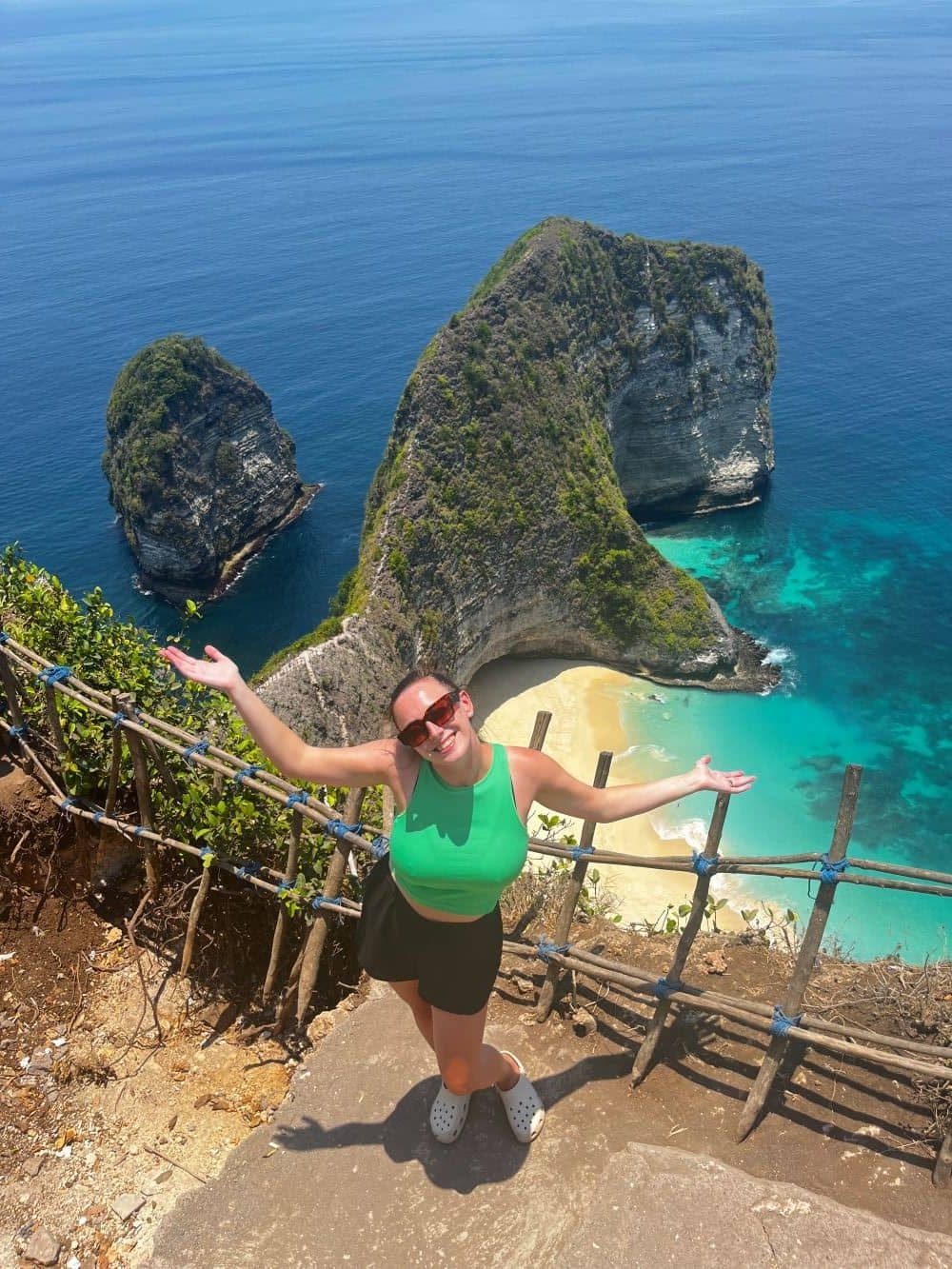
Fulfil your Eat Pray Love dream in Ubud, swim with turtles in the Gili Islands, Hike Mt Batur and immerse yourself in the rich culture of Bali.
Best time to travel this region: May to October
Time needed: 1 month
Read : The Ultimate Bali Bucket List
Best places to see in Indonesia
- Ubud for waterfalls, temples and local culture.
- Uluwatu for the best beaches and surfing.
- Gili Islands for snorkelling or scuba diving with turtles.
- Nusa Penida for unbelievable natural views.
- Komodo Island for adventure and exploration with iconic wildlife.
Read : Ubud Travel Guide
Oceania
Oceania is popular route for older travellers, travellers who have already completed South East Asia or those who want to spend a year in Australia.
Australia
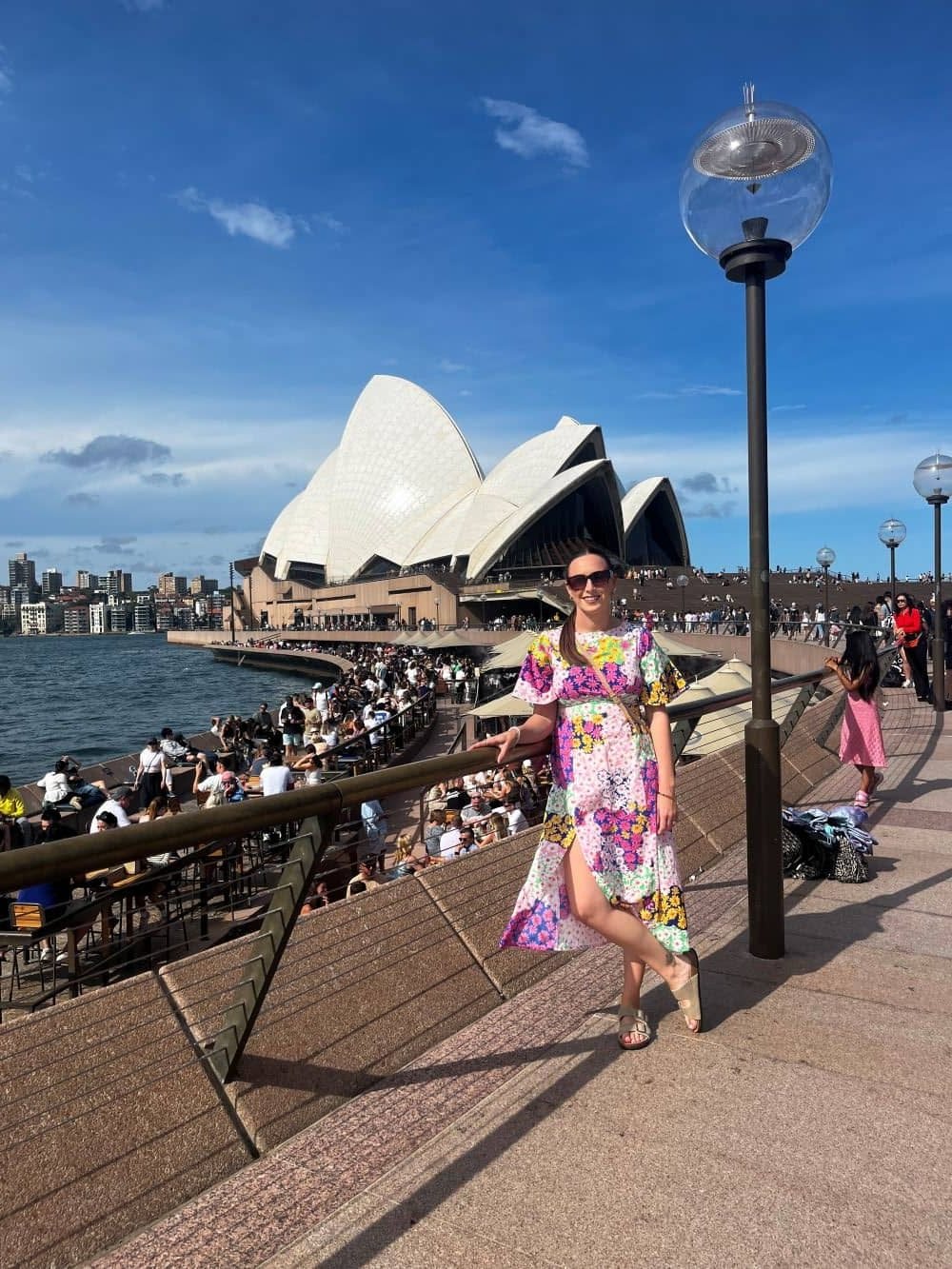
East Coast of Australia
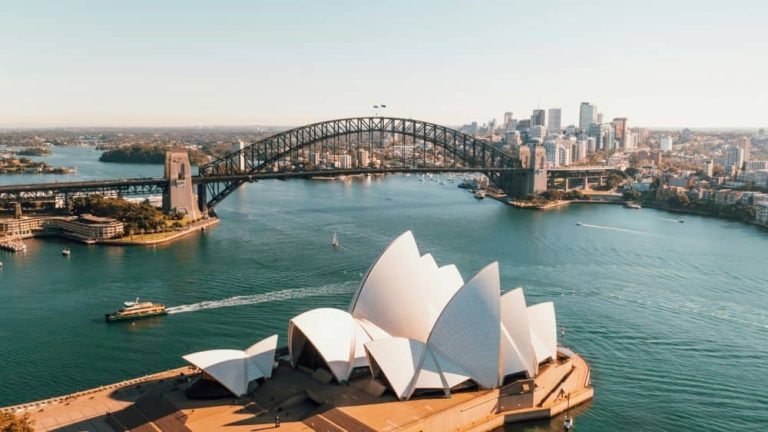
Take in the iconic Sydney Opera House, dive into the vibrant marine life of the Great Barrier Reef, and spend time on K’gari, the world’s largest sand island.
Melbourne-Cairns
Best time to travel this region: November to May
Time needed: 1-3 months
Read : How to spend 3 days in Melbourne
Top places to see in Australia East Coast
- Sydney for iconic harbour views.
- Airlie Beach & Whitsundays for island hopping and swimming in the great barrier reef.
- K’Gari (Fraser Island) for a 4×4 sand island adventure.
- Byron Bay for surfing and hippy vibes.
West Coast of Australia
Discover some of the world’s most stunning, uncrowded beaches, spot wild kangaroos in their natural habitat, or swim alongside majestic humpback whales at Ningaloo Reef.
Perth-Broome
Best time to travel this region: March to May
Time needed: 2-3 weeks
Places to visit in Western Australia
- Margaret river for wineries and surfing.
- Rottnest Island for off the beaten track beaches and wildlife.
- Exmouth & Ningaloo Reef for snorkelling and diving.
- Esperance for beaches, national parks and wildlife.
New Zealand
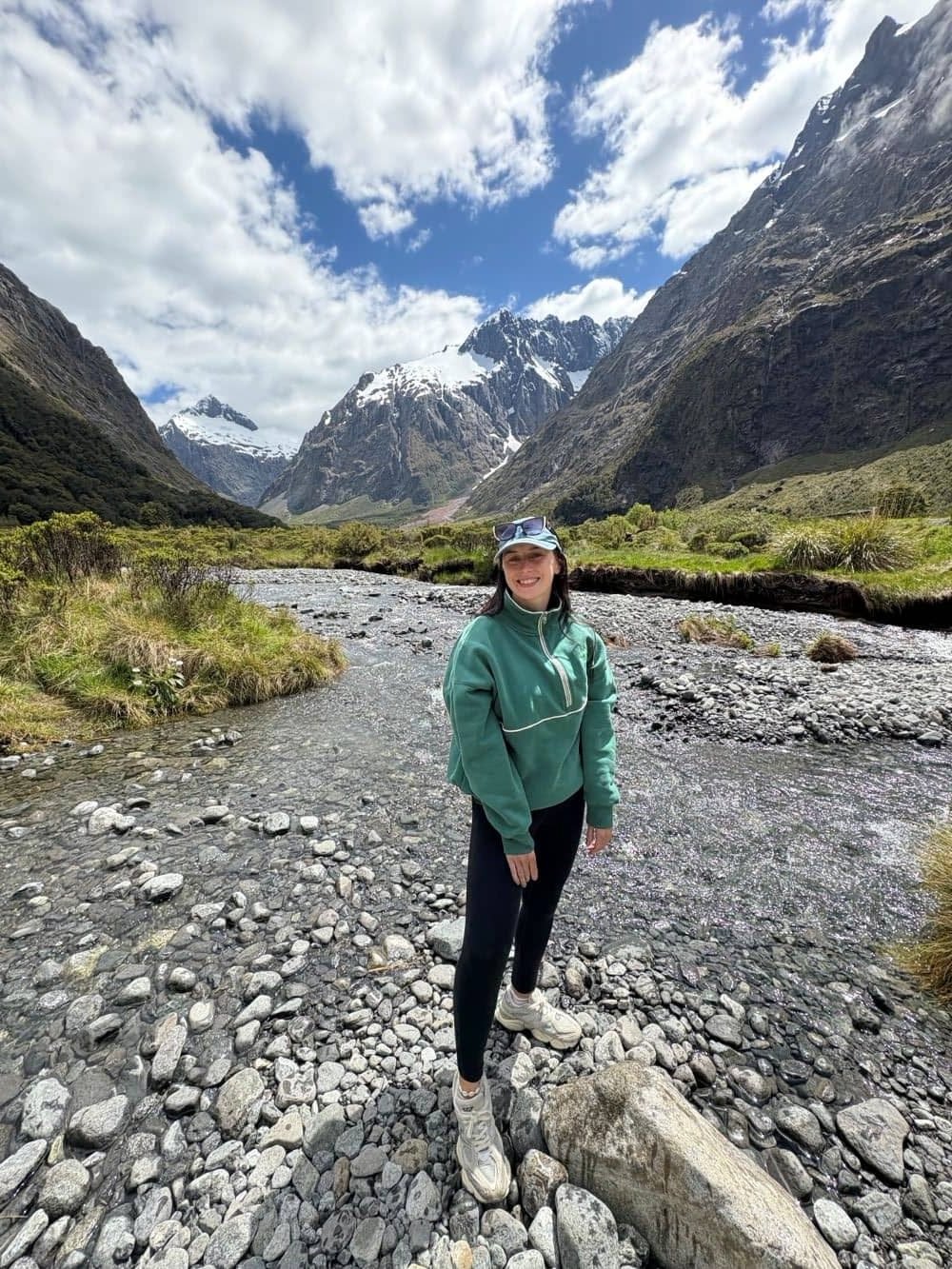
Explore the breathtaking Milford Sound, often called the 8th wonder of the world, wander through the iconic Hobbit film set, or embark on an unforgettable glacier hike.
Best time to travel this region: November to March (Spring/Summer)
Time needed: 1-2 months
Top places to visit in New Zealand
- Queenstown & Milford sound for natural beauty and adventure.
- Rotoura for Māori culture, world class spa and wellness experiences.
- Bay of Islands for beaches and water activities.
Fiji
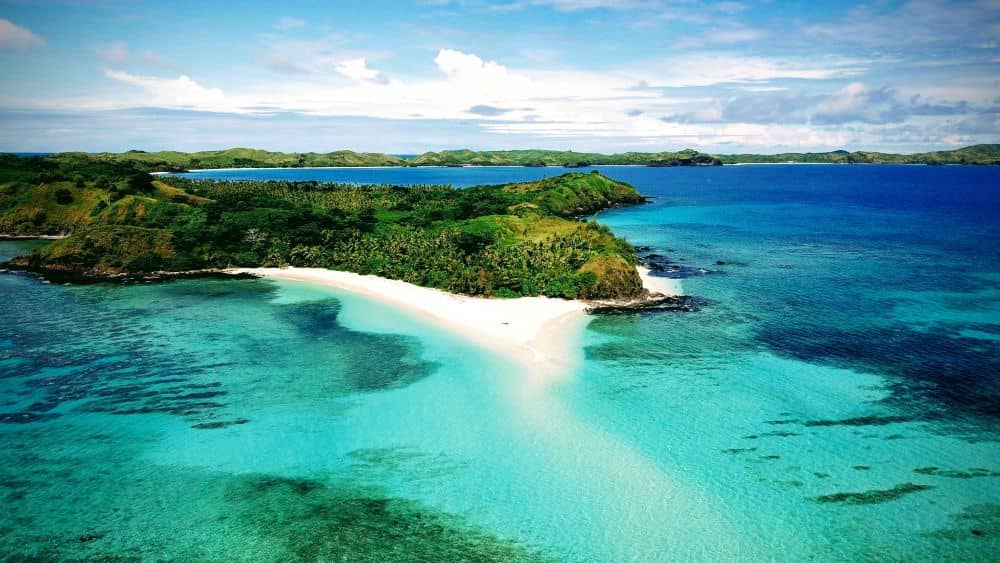
Explore Fiji’s pristine, untouched islands, where you’ll meet the friendliest locals, relax at floating beach clubs, and immerse yourself in the breathtaking natural beauty.
Best time to travel this region: May to October
Time needed: 1-2 weeks
Latin America
Latin America is a fantastic option for experienced travellers who’ve travelled Asia and Australia and want to explore what Central and South America has to offer with a focus on hiking and adventure.
Central America
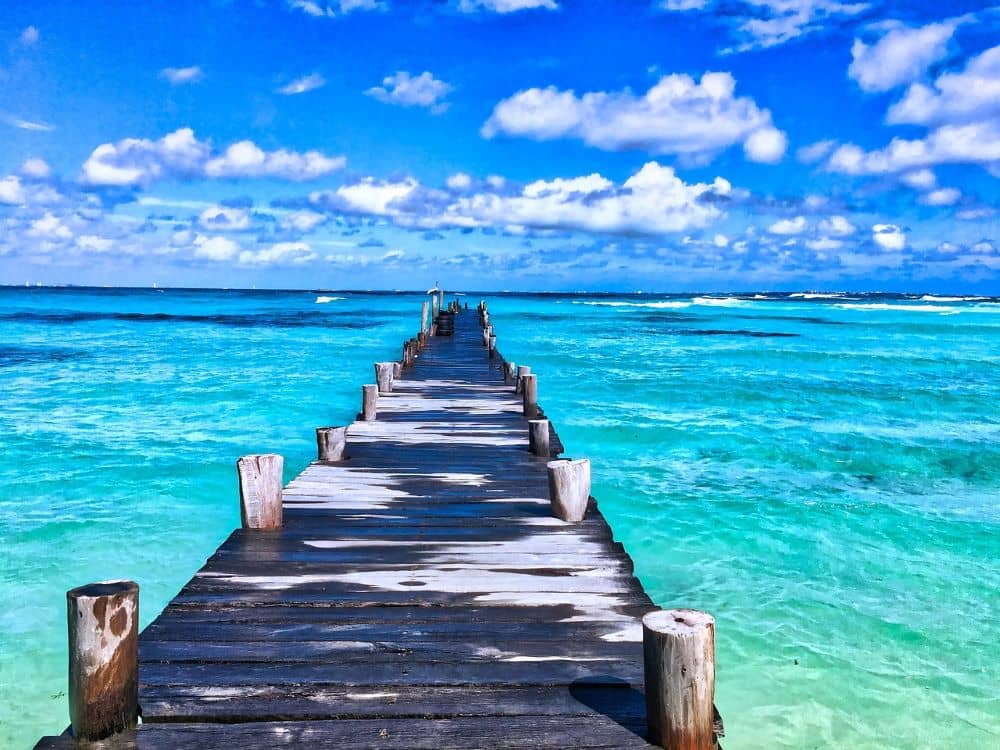
Mexico, Belize, Guatemala, Honduras, El Salvador, Panama, Nicaragua, and Costa Rica
Take a refreshing swim in Mexico’s crystal-clear cenotes and explore its lush tropical islands, sail through Panama’s stunning San Blas Islands, or get up close with incredible wildlife in the heart of Costa Rica.
Best time to travel this region: January to March
Time needed: 3-4 months
Top spots not to miss in Central America
- Isla Mujeres, Mexico for an island escape.
- Holbox, Mexico for relaxation and to see the wild flamingos.
- Caye Caulker, Belize for the most insane crystal clear water.
- Lake Atitlán, Guatemala to see the highest lake in central America.
- San Blas islands, Panama for well protected natural beauty.
South America
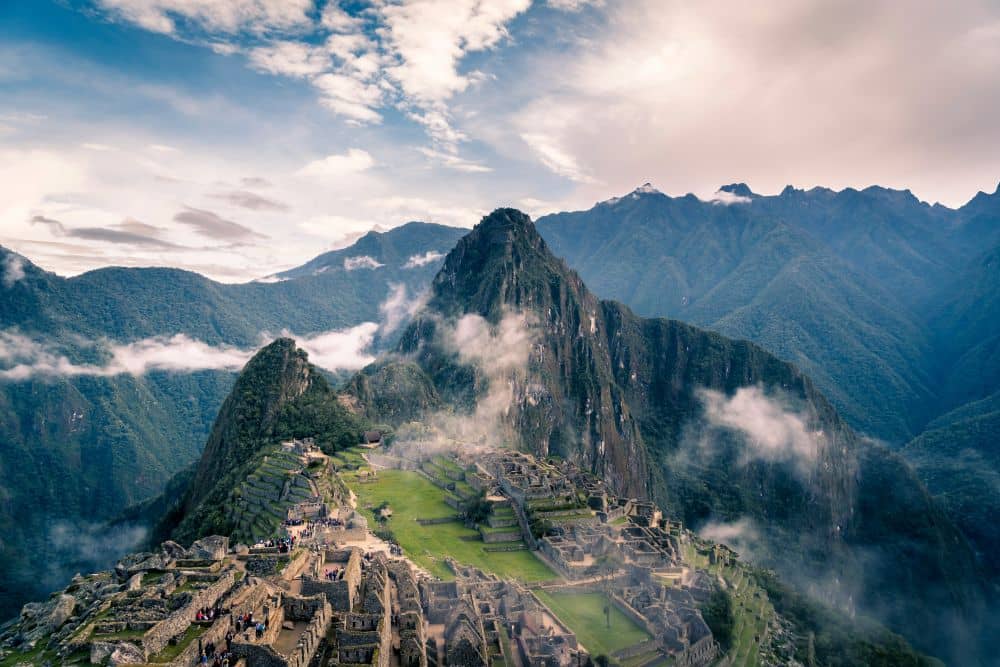
Colombia, Ecuador incl Galapagos Islands, Peru, Bolivia, Chile, Argentina incl Patagonia, Brazil
Dreaming of hiking to Machu Picchu, dangling your legs from a helicopter over Rio’s Christ the Redeemer, or witnessing the stunning salt flats of Bolivia?
Best time to travel this region: September to February
Time needed: 3-6+ months
Top spots not to miss in South America
- Cusco, Peru for culture and architecture.
- Rio de Janeiro, Brazil for partying and adventurous activities.
- Catagena, Colombia for vibrant architecture, bustling plazas and rich history.
- Buenos Aires, Argentina for football fanatics and vibrant nightlife.
- Patagonia, Argentina for epic hikes and landscapes.
- Galapagos Islands, Ecuador for untouched wildlife.
2. Timeline

When are you thinking of going? Your travel dates will have a big effect on your experience. For instance, if you’re planning to explore Southeast Asia and follow the Banana pancake Trail, but can only travel during the European summer, you’ll likely face the region’s monsoon and rainy season.
How much time do you have for the trip? Two weeks? One month? The whole summer? Or are you taking a full year off for a career break? Knowing this is crucial for planning.
Are you able to work remotely while travelling? This could give you a lot more flexibility with your plans.
3. Budget and Money tips

The next important decision is your budget. This can impact your travel duration, as you may have a set amount to spend, which could mean a shorter trip. The sooner you determine your budget, the easier planning will be. Set a daily budget that includes accommodation and ensure you have enough funds to realistically sustain your travels for as long as you intend to.
During my three month backpacking trip through Southeast Asia visiting 9 different countries, I spent a total of €6,505, which covered all my flights, accommodation (mostly private rooms), food and drinks, activities, and transport. Excluding the cost of flights, my expenses averaged around €50 per day.
Here are some rough monthly budget estimates you can use as a guideline when planning your trip.
| Region | Budget |
|---|---|
| Southeast Asia | €1,000 – €1,500 per month |
| Australia & NZ | €2,000 – €2,500 per month |
| Latin America | €1,500 – €1,800 per month |
Shopping around for tours, eating street food, and opting to stay in hostels or homestays is a great way to cut costs for budget backpackers while immersing yourself in the local culture.
If you’re planning a longer trip, consider doing a work exchange to save money, websites like Worldpackers is great for finding volunteer opportunities around the world. To keep costs down while travelling, be flexible with your plans and look for overnight buses or sleeper trains to save on accommodation.
When it comes to getting around, avoid hailing taxis off the street. instead, use apps like Bolt or Grab, and always research common local scams like the infamous Bangkok tuk-tuk tricks to stay safe.
Top Tip – Always have emergency money. I suggest keeping enough to get a flight home or a month’s spending money.
4. Booking Essentials & Trip Planning

The planning process for a long trip requires careful research, including deciding where to stay, how to get around, and what to pack. It’s important to make flexible travel plans that allow for changes along the way – always have a backup plan.
When planning your trip, the first step is to book your flight. Choose a starting point and begin researching flights, keeping in mind that airlines can offer great deals and stopover packages if you book at the right time.
Top Tip: Some countries require proof of onward travel, like a return or connecting ticket, to ensure you’re not planning to overstay, so be sure to check those requirements.
It’s helpful to book your first few nights of accommodation, whether it’s a hostel or hotel, and map out a rough route, even if you’re not planning every detail in advance. Having a flexible itinerary allows room for spontaneous adventures, but don’t try to cram everything in, you simply can’t see and do it all.
Travel burnout is real, especially on longer trips, so give yourself time to relax and recharge. Finding a balance between hitting must see attractions and leaving space for unplanned moments is key. Keep your expectations realistic and enjoy the journey as it unfolds.
Check out the travel apps section below to find out the essential websites and apps you’ll need for your trip.
5. Visas & Passport
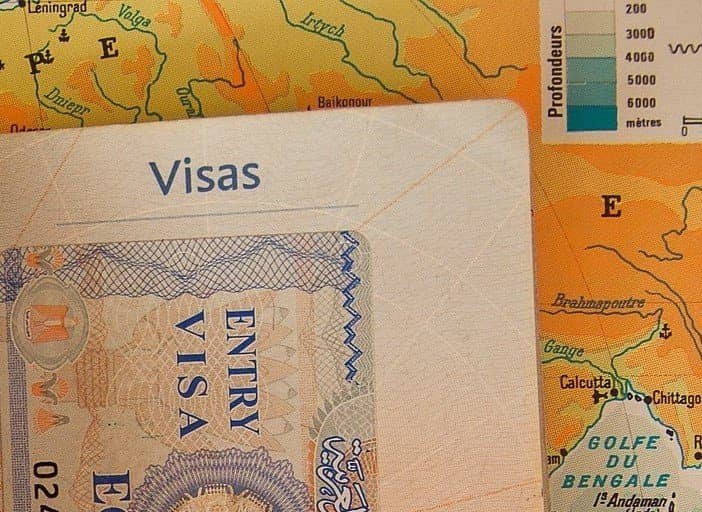
Please research what visa requirements are needed before your trip as this is a critical factor that can effect everything. Always check Ireland.ie regularly for any updates. Be sure to check each country you plan to visit if you need holiday visas, as some destinations require travellers to have a visa before arrival.
Check that your passport is valid for at least 6 months+ to cover the duration of your trip. Make sure your passport is in good condition as some airports are severely strict and wont let you fly with the smallest damage on the document.
Do you want to work and travel for a year or two? Check out a working holiday visas in Australia or Canada.
Read: Ultimate Guide to Moving to Australia from Ireland
6. Travel Vaccinations
You will more than likely need some sort of travel vaccinations before your trip.
Get in touch with your local GP or travel clinic to discuss what vaccinations you need for the destinations you are visiting. I highly recommend the travel health clinic on Dawson street Dublin 2, which i used for my backpacking trips they are so professional and the website will show you what exact vaccines they recommend, optional and essential.
7. Don’t forget Travel Insurance
Whatever you do, do not forget the most important thing, travel insurance! The minute you book flights, accommodation or tours, you need to make sure you have coverage in place. This protects you not only while you’re travelling but also in case anything unexpected happens before your trip even begins. It’s a small investment for huge peace of mind.
Read: 10 Reasons why you need travel insurance
Top Tip – If you only have a one way flight and are not sure when you’ll return you will need to get backpacker insurance for correct coverage.
8. Packing
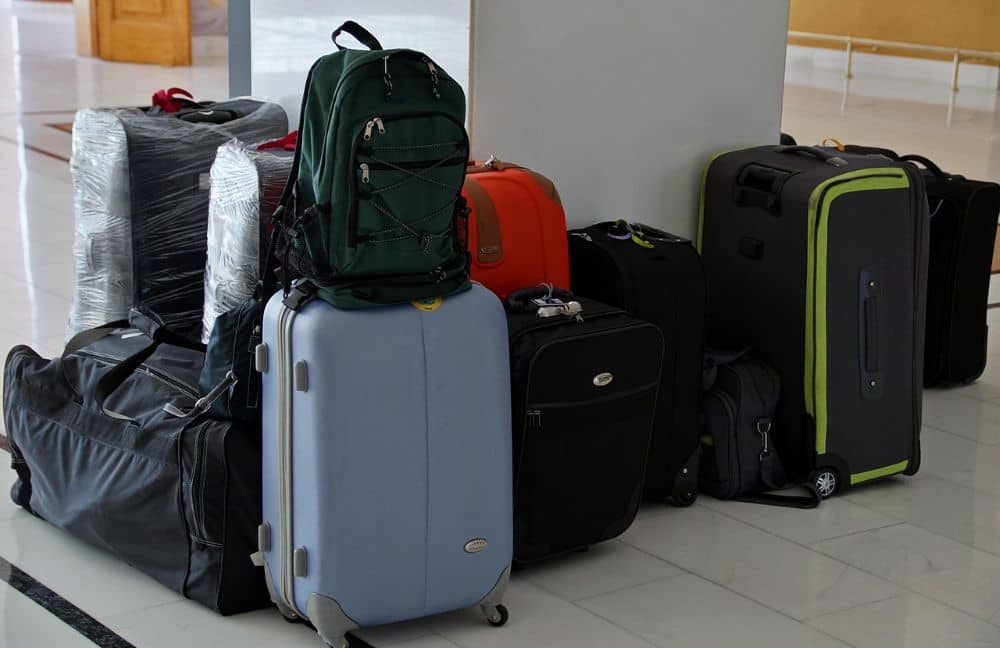
When it comes to packing, less is definitely more. If possible, travel with smaller luggage like a carry on case it can save you a lot of money on baggage fees and make getting around much easier. When planning for a gap year trip, make sure to pack light and focus on essentials. Using packing cubes can help you stay organised and save space.
As for a travel backpack, there are several reliable brands to consider, including Osprey, Mountain Warehouse, Decathlon, and The North Face. Investing in a quality backpack can make a big difference in comfort and durability, especially if you’re planning to move around frequently.
The viral backpack that fits under the seat in front of you is a great option for shorter trips, or can be used in addition to your checked luggage. You can also check out my packing list in the FAQ section below.
Top Tip – A loaded backpack should not weigh more than about 20% of your body weight.
9. Travel Apps you will need

Having the right travel apps can make a huge difference on a backpacking trip. Essentials like Google Maps, Google Translate, Booking.com, Hostel world, Skyscanner, and XE Currency Converter help with navigation, communication, accommodation, flights, and managing money on the go.
For local transport, apps like Bolt and Grab are safer and more reliable than hailing taxis off the street, especially in Southeast Asia. 12Go Asia is great for booking regional transport, while Rome2Rio is useful for mapping out routes between destinations.
For accommodation I personally used Booking.com or Agoda as they were usually cheapest but shop around with other sites and always check reviews!
Using an eSIM like Airalo can keep you connected without the hassle of getting a local SIM card, and a Revolut card makes it easier to manage your finances and avoid extra credit cards fees.
Social media can also play a big role if you are planning on travelling for a year. I suggest using Facebook groups, Reddit threads, and travel blogs for finding recommendations, tips, and even travel buddies. Hostelworld often has group chats, which can be super helpful for connecting with people before you even arrive.
10. Preparing for the Unexpected & Safety

Travelling helps with personal growth, but it’s important to also stay aware of your surroundings and prioritise safety during your trip. Stay aware of your surroundings, trust your instincts, and always research local safety tips.
Things will go wrong at some point during your trip, it’s just part of the adventure. Accepting this reality before you leave can help you stay calm and avoid a meltdown when the unexpected happens. Whether it’s a missed flight, a delayed bus, lost luggage, or some other travel hiccup, how you handle these moments can make all the difference.
Flexibility is key, being open to changing plans allows you to adapt and still enjoy your experience. It’s also wise to have a backup plan in place just in case things don’t go as expected. The more you can go with the flow, the more rewarding and memorable your journey will become.
Read: My Top 10 Solo Holidays and Tips – Solo Travel Guide
FAQ
What is the best age to start backpacking?
There’s no right age to start backpacking. The best time to begin is right now if you haven’t already. Travelling and experiencing the world doesn’t have an age limit.
Is backpacking safe as a woman?
Just like anywhere else in the world, it’s important to stay vigilant and be prepared for the unexpected while travelling. Avoid walking alone on dark streets at night, stick with a group whenever possible, and never wander off in unfamiliar areas. Stay aware of your surroundings, trust your instincts, and research local safety tips to ensure a smooth journey.
What should I pack?
Essential packing list
- Quick drying clothing (no whites)
- Lightweight and compact toiletries
- Microfibre towel
- Reusable water bottle
- Rain jacket /poncho
- Dry bag
- First aid kit
- Power bank
- Worldwide Adapter
- Spare phone charger
- Back up bank cards
- Comfy shoes
- Money Belt
- Insect repellent/ Bite pen
- International drivers licence
- Extra socks and underwear
- Prescription medications
- Travel documents (Passport photos, visas, insurance details)
- Laundry Bag
How much would it cost to travel the world?
How much money you need to travel depends on your destination, travel style, and duration. I generally recommend around €1000+ per month for Southeast Asia, €1500+ per month for South America, and €2000–€2500+ per month for Australia and New Zealand, however if you want to stay in luxury hotels this price will obviously increase. Keep track of travel expenses and plan your budget to ensure you have enough money for the entire trip.
If you’re not comfortable booking this trip on your own, feel free to reach out to any of the agents listed below. This is especially helpful for solo travellers, as they can arrange group tours where you’ll meet like-minded people.
Top Tip – The websites below will also help you plan your itinerary and give you route ideas.
Intrepid – G adventures – Contiki – Trailfinders – Intro Travel (18-30)
I hope this article helps you travel the world for a year or even a few months. While every effort is made to ensure accuracy, prices and experiences are subject to change. Some of the links in this post contain affiliate links, where I receive a small commission if a booking is made, but at no additional charge to you.